Formed in 2023, the Burlesque Hall of Fame Accessibility Committee works to support equitable participation across all aspects of the Weekender, from performance and adjudication to audience experience and venue access.
The committee brings together working artists and practitioners with lived and professional experience across burlesque and disability: Alyssa Kitt Hanley, Jacqueline Boxx, Lakota Shekar, Dustin Wax, and VaVa Vashti, with prior contributions from Apple Angel.
Our work is both practical and structural. We collaborate with producers, venue staff, and volunteers to identify barriers to access, and to implement site-specific solutions within the realities of a large-scale live event. Accessibility in burlesque is not a fixed standard but an ongoing practice. Our work responds to the specific conditions of each venue, event structure, and community context.
What we do
- Review and advise on accessibility across venues, programming, and communications
- Support performers and participants with access needs
- Contribute to the development of inclusive practices within judging and adjudication
- Conduct site visits and accessibility assessments of performance and backstage spaces
- Develop public-facing accessibility information and pre-event communication
What we’ve implemented
Since 2023, the committee has contributed to a number of concrete changes:
- Judging and Selection Review
We have reviewed judging frameworks and selection criteria, and developed an accessibility addendum to support more inclusive evaluation practices. - Accessibility Integration into Production Planning
Accessibility is now embedded earlier in the planning process, including venue walkthroughs, backstage assessments, and performer circulation planning. - Relaxed / Low-Sensory Space
A dedicated quiet space has been implemented during the Weekender to support attendees requiring reduced sensory stimulation, with ongoing refinement of location, visibility, and use. - ASL Interpretation
ASL interpretation has been introduced across events to improve access for Deaf and hard-of-hearing attendees. - Accessible Seating and Service Models
Development of ADA and “Comfort Class” seating to increase the variery of seating options available, alongside service adjustments (such as in-room service) to reduce barriers created by venue layout. - Accessibility Communication
Expansion of pre-event communication, including accessibility information, seating processes, and “Know Before You Go” materials to improve clarity and reduce on-site barriers. - Add live streaming as an accessibility move
Made it possible for disabled performers worldwide to attend the Weekender despite physical barriers.
How we work
Our approach is responsive and iterative. Working within the constraints of historic venues, production timelines, and live performance environments, we focus on:
- identifying barriers in real conditions (not just policy)
- implementing practical, achievable solutions
- building accessibility into the structure of the event, not as an afterthought
This includes recognizing that access operates differently across bodies, practices, and performance styles, and that accessibility is shaped by spatial, social, and institutional conditions.
Looking ahead
Accessibility at the Burlesque Hall of Fame continues to evolve. Our work includes ongoing review of adjudication frameworks, performer experience, audience access and experience, and communication strategies, as well as developing longer-term approaches to inclusion across the field.
We welcome feedback and engagement from performers, attendees, and community members as part of this process.
Committee Members
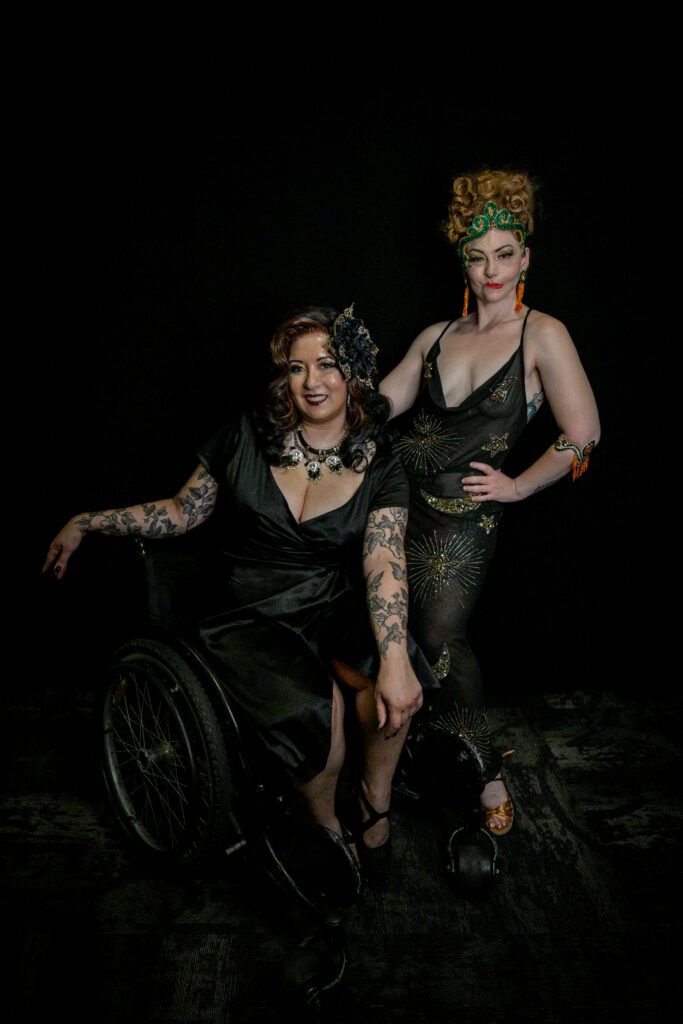
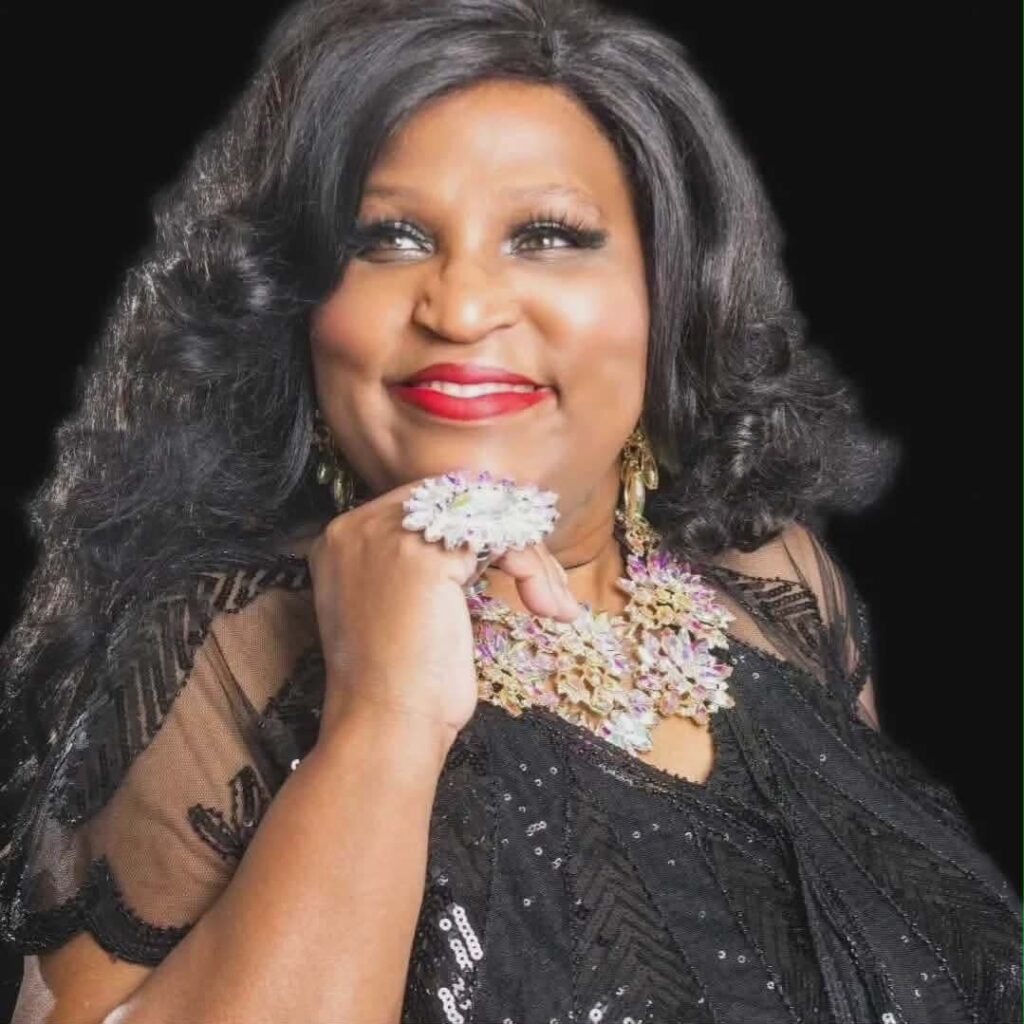
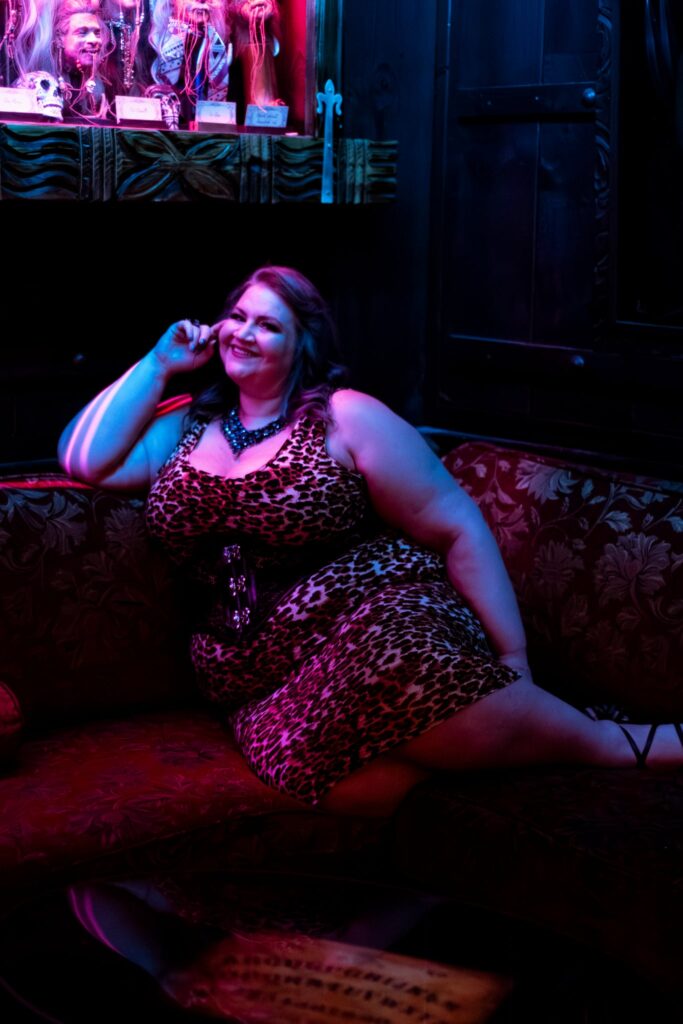
Alyssa Kitt Hanley works across performance, research, and institutional practice, bringing together expertise in burlesque, dramaturgy, and accessibility within live performance contexts.
She has worked in burlesque and performance production since 2007, including as National Associate Producer for Mx Burlesque Australia, contributing to competition structures, adjudication processes, and performer experience at a national level. She is also a four-time competitor at the Burlesque Hall of Fame Weekender, bringing firsthand experience of the event’s performance, adjudication, and audience conditions. Alyssa is a doctoral candidate in Theatre and Performance at City University New York, focusing on burlesque, performance subcultures, and cultural political economy.
As a member of the Burlesque Hall of Fame Accessibility Committee, she contributes to access strategy across venue design, judging frameworks, performer experience, and public communication, with a focus on embedding accessibility within the conditions of live performance.
Lakota Shekar is an international award-winning performer who has been gracing the stage since 2012 in various artforms. As the founder of Blackwater Cabaret, Cleveland’s award-winning production, Lakota has advocated for diversity onstage by including BIPOC, disabled, and LGBTQIA cast members in every show. Her disability advocacy also extends through her work as co-producer and co-owner of the DisabiliTease Festival and the DisabiliTease Academy, platforms dedicated to increasing visibility, training, and performance opportunities for disabled artists. Her work has made her a leading figure in advancing disability visibility within contemporary burlesque communities.
When not focusing on performance-related advocacy, Lakota serves as an Accessibility Liaison and Accessibility Assessor. She has contributed to accessibility and disability advocacy in civic contexts, including ADA compliance discussions through the Ohio Democratic Caucus for Disabilities. As a member of the BHoF Accessibility Committee, Lakota brings disability-led expertise to committee review processes and access planning, grounded in her practical experience as a disabled burlesque producer and community advocate.
Jacqueline Boxx is a devoted burlesque performer, instructor, producer, and overall disability activist. She has taught workshops and lectured on panels about mindful movement and adaptive performance across the world, headlining in Adelaide, Vienna, Montreal, and more. Since her burlesque debut in 2006, she has become a voice for disabled justice on festival advisory boards, and her work has been studied academically for its contribution to the field.
Jacqueline has performed at the Burlesque Hall of Fame (BHoF) four times in total and, in 2017, she became the first performer to ever compete in a wheelchair for a title at the BHoF Weekender. Her first stage wheelchair is a part of BHoF’s permanent collection. She was the 2023 Monarch of Pacific Northwest Burlesque and 21st Century Burlesque Magazine named her one of the top 50 most influential burlesque performers in the world in 2022. She is: Miss Disa-burly-TEASE!
Vava Vashti works at the intersection of accessibility, hospitality, and inclusive process design, bringing both lived experience and deep structural expertise to her practice. She has nearly twenty years of event experience and over a decade of paid work in inclusive event design, including planning conferences, convenings, and performances. In her current role, she works with clients to design through an accessible and hospitable lens, actively addressing power, privilege, and intersectional access needs.
Within burlesque, Vashti has worked with the North Star Nerdlesque Festival, DisabiliTease Festival, Cabaret of Lights, and TC Cabaret, and has consulted on accessibility across multiple other productions. She brings both professional rigor and lived advocacy, particularly around navigating invisible disability in performance and production spaces.